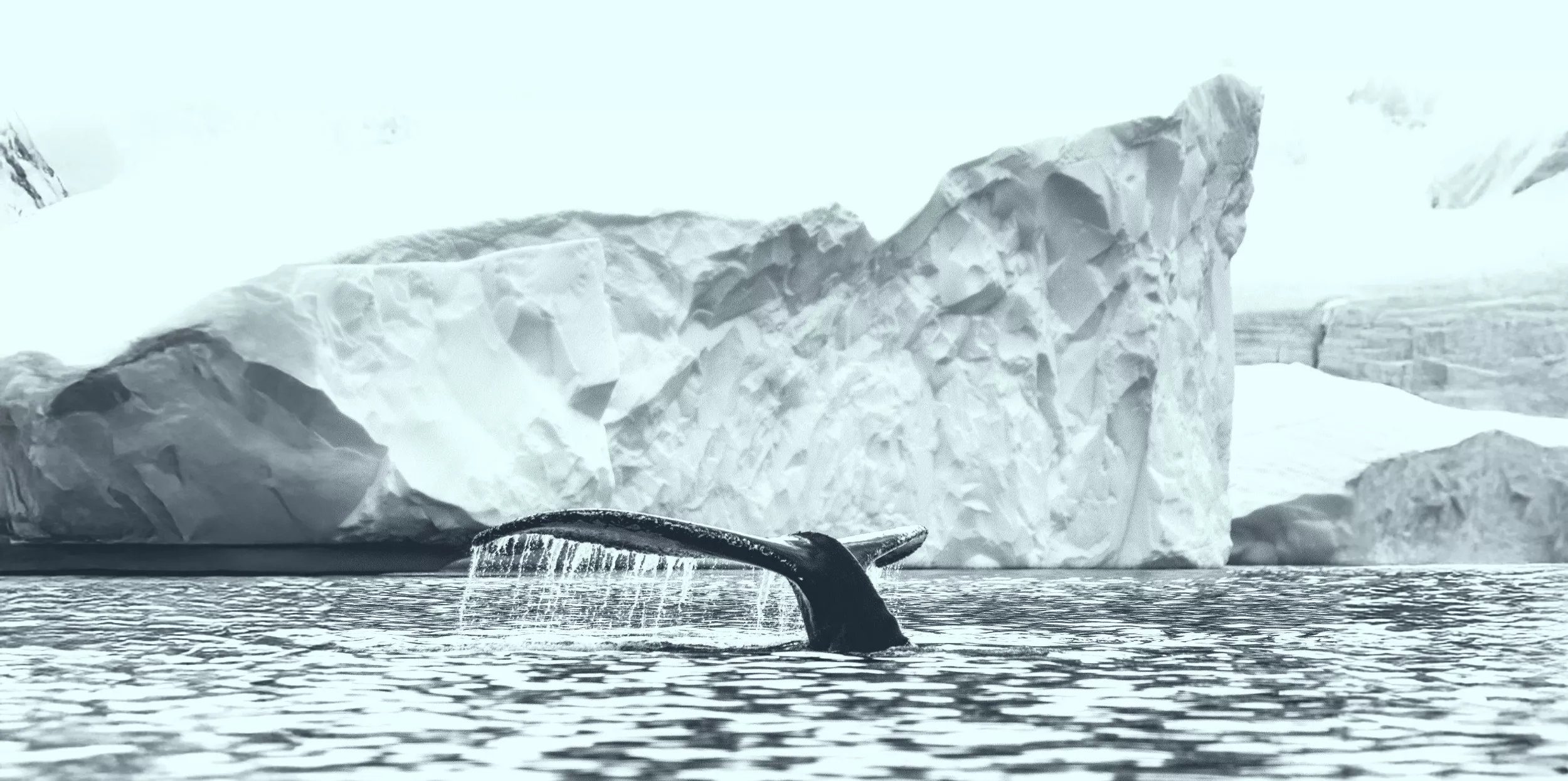
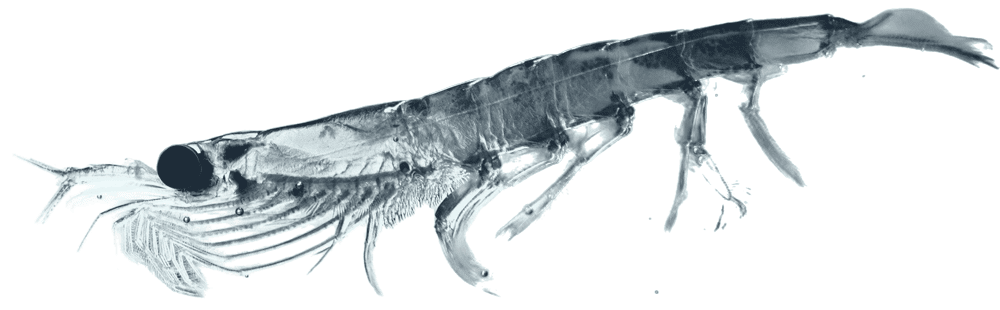
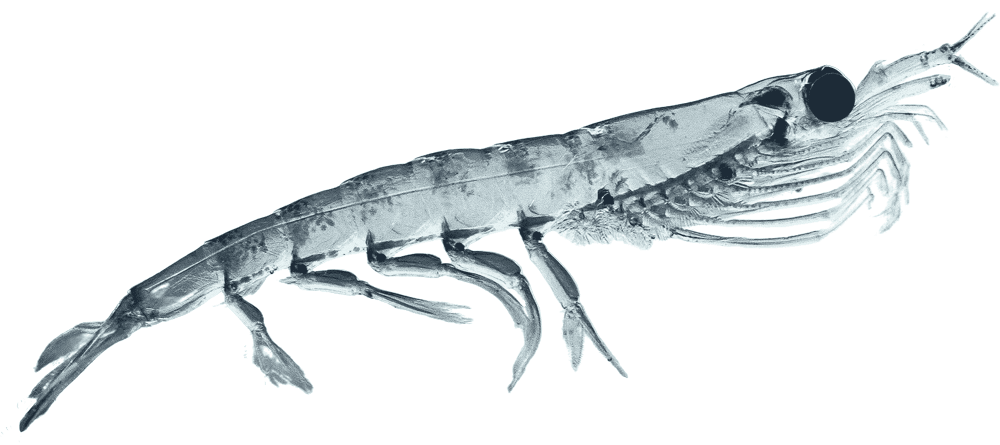
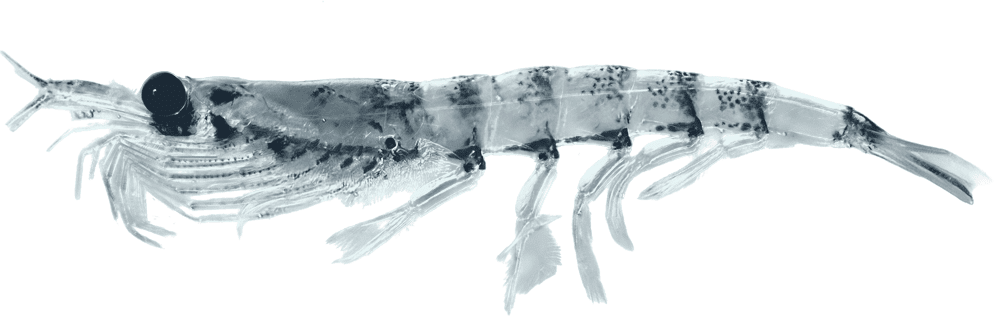
Antarctic krill are the foundation of the Antarctic ecosystem, sustaining entire populations of globally significant penguins, seals and whales. They also play a critical role in carbon storage and drawdown.
But industrial fishing of krill to be used in omega-3 supplements, aquaculture and pet feed threatens the stability of this already vulnerable ecosystem. These effects are only exacerbated by climate change.
© ANDY MANN
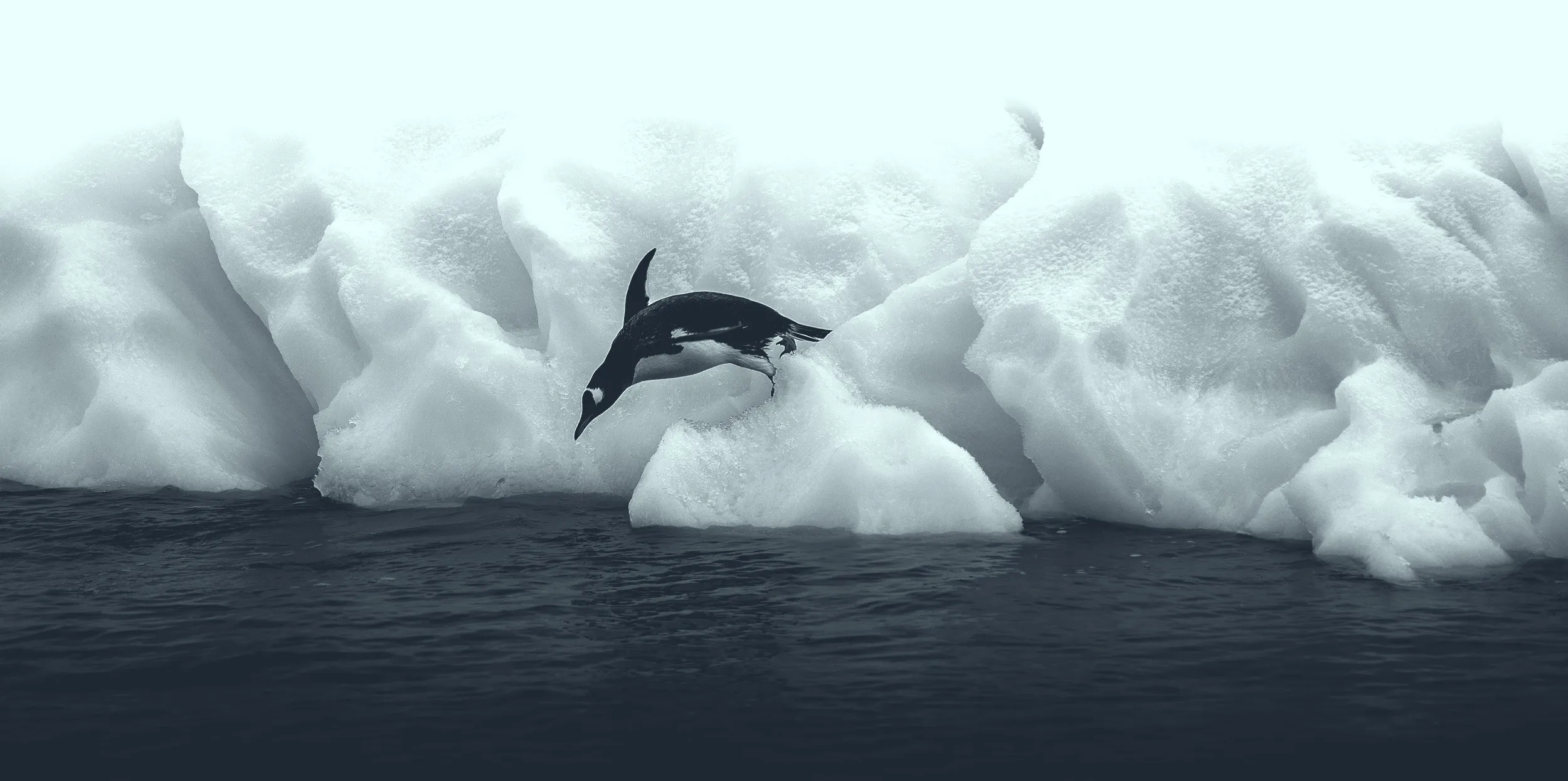
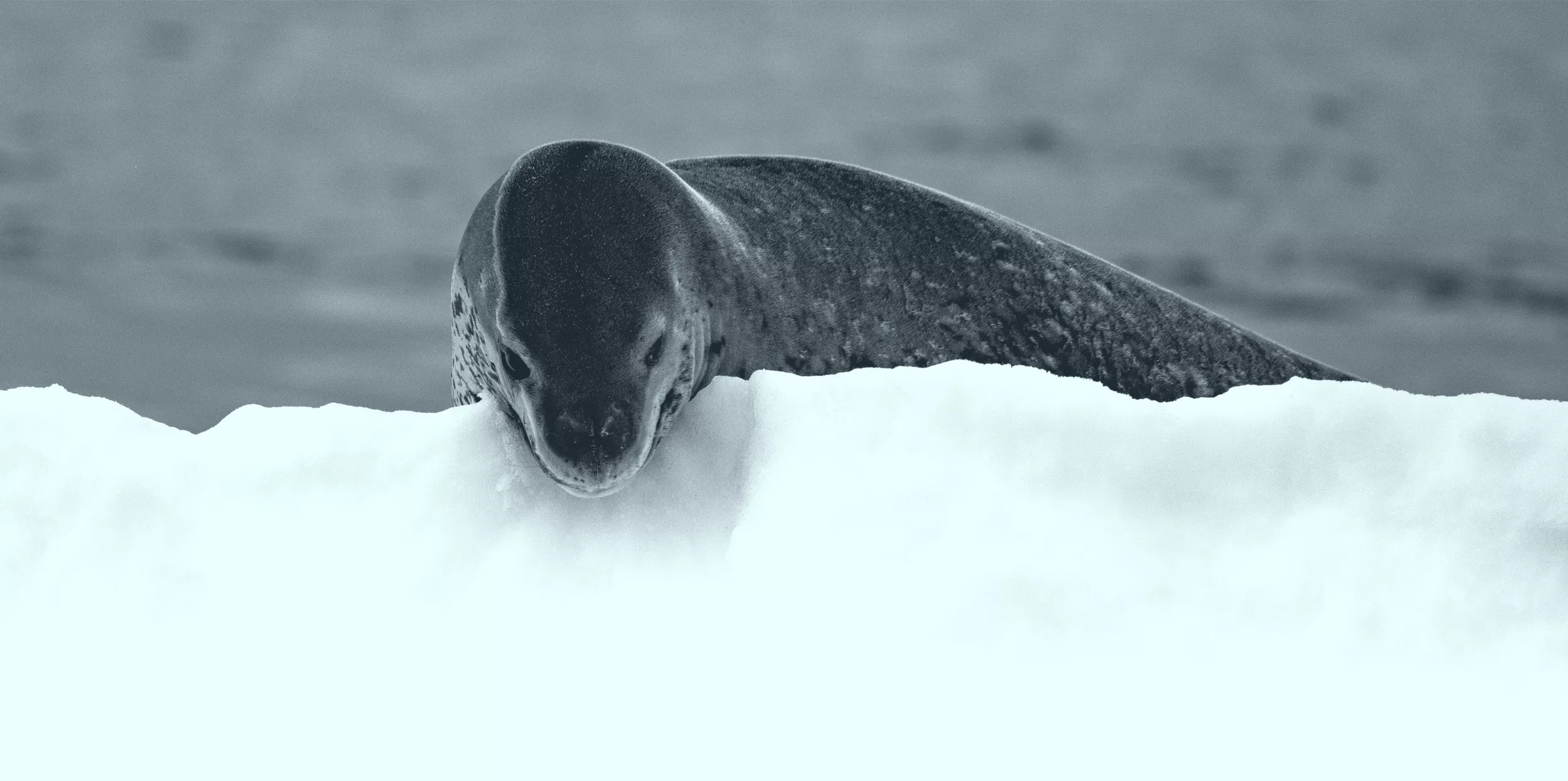
Almost all Antarctic wildlife depends on krill, including chinstrap, gentoo, emperor penguins, crabeater and Antarctic fur seals, snow petrels and albatross. Minke, blue and humpback whales all travel thousands of miles each year, from Latin America, Africa and the Pacific islands, to feed on Antarctic krill.
The warning signs are clear. Earlier this year, Antarctic fur seals were reclassified as endangered by the IUCN. Some studies now indicate that krill populations may not be able to support both a recovering whale population and an expanding krill fishery.
The Convention for the Conservation of Antarctic Marine Living Resources (CCAMLR) is the framework responsible for safeguarding Antarctic marine ecosystems. Over the past decade, its member states have repeatedly failed to agree to establish marine protected areas (MPAs), while allowing krill fishing to expand and weakening conservation measures.
The Antarctic Avengers are a group of ambitious ocean leaders, renowned scientists, policymakers, wildlife filmmakers, and public figures, united to protect one of the world’s last remaining wildernesses.